What is E-Waste?
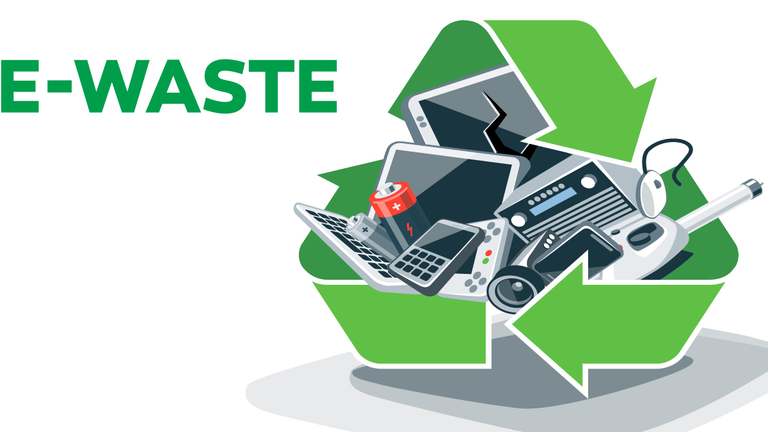
E-WASTE
Electronic waste (e-waste) includes discarded phones, laptops, chargers, appliances, cables, batteries, and other electronic devices. As technology grows, e-waste has become one of the fastest-rising waste streams in the world — and most of it still ends up in landfills.
Read moreResponsible Disposal
Proper e-waste management protects the environment, saves natural resources, and supports a circular economy. When electronics are recycled safely:
- Toxins are contained instead of polluting the environment.
- Useful metals, plastics, and glass are recovered and reused.
- Energy consumption decreases compared to producing new materials.
- Communities stay safer and healthier.
How E-Waste Recycling Works
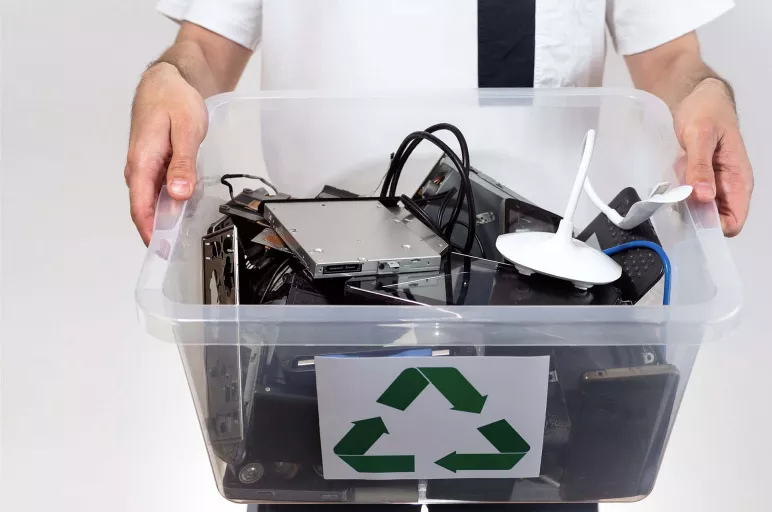
Collection & Drop-off
Devices are collected from homes, offices, or designated drop-off points
Sorting & Dismantling
Items are separated by type. Hazardous components like batteries and circuit boards are carefully removed.
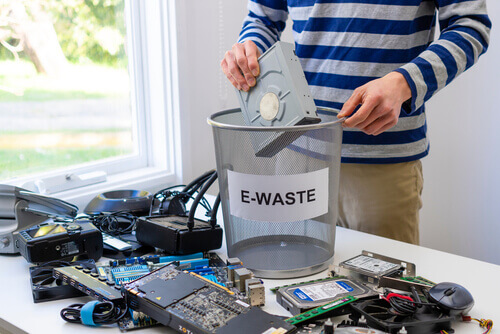
3. Material Recovery
Metals, plastics, and glass are extracted and processed to be reused in manufacturing.
4. Safe Disposal of Hazards
Toxic waste is handled using certified methods to prevent contamination.